 Jishun Sewing
Jishun Sewing always at your side
Email:jishunsewing@gmail.com Whatsapp:+8613652365086
What Is The Sewing Machine Motor
Author:kayla
Click:
Time:2024-11-30 16:01:43
What isthe Sewing Machine Motor
Sewing machines are remarkable tools that have transformed the world of textiles and fashion. At the heart of every sewing machine lies a motor that powers its functions. In this blog, we will explore everything about the sewing machine motor, including the different types available.
The Importance of the Sewing Machine Motor
The sewing machine motor is responsible for driving the needle, feed dog, and other moving parts of the machine. It provides the necessary power and speed to sew through various fabrics and thicknesses. A good motor ensures smooth and consistent stitching, making the sewing process efficient and enjoyable.
Types of Sewing Machine Motors
- Mechanical Motors
- Mechanical motors are the traditional type of sewing machine motors. They use belts, pulleys, and gears to transfer power from the motor to the sewing machine's mechanisms.
- These motors are known for their durability and simplicity. They are often found in older sewing machines and some industrial models.
- Mechanical motors require regular maintenance, such as oiling and belt replacement, to ensure optimal performance.

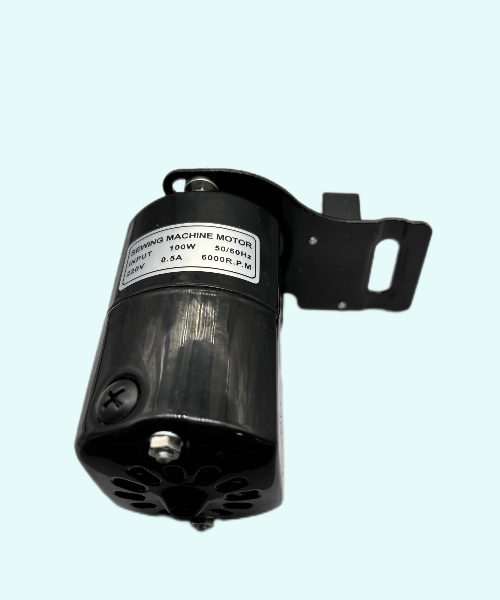
- Electronic Motors
- Electronic motors are becoming increasingly popular due to their advanced features and precision.
- These motors use electronic controls to regulate speed and power. They offer a wide range of speeds, allowing for greater control over the sewing process.
- Electronic motors are quieter than mechanical motors and often have features like reverse stitching and speed memory.
- Some electronic motors also come with built-in sensors that detect fabric thickness and adjust the power automatically.

- Servo Motors
- Servo motors are a type of electronic motor that offers exceptional precision and control.
- They are designed to provide consistent power and speed, even when sewing through thick or heavy fabrics.
- Servo motors are known for their energy efficiency and low noise levels.
- Many modern sewing machines equipped with servo motors also have features like automatic thread cutting and programmable stitch patterns.

Factors to Consider When Choosing a Sewing Machine Motor
- Power
- Consider the power requirements of your sewing projects. If you plan to sew thick fabrics or multiple layers, a more powerful motor may be necessary.
- Look for motors with higher wattage ratings for increased power and durability.
- Speed Range
- Different sewing tasks require different speeds. Choose a motor that offers a wide speed range to accommodate various fabrics and stitching techniques.
- Some motors allow for slow, precise stitching while others can reach high speeds for faster sewing.
- Quiet Operation
- If you prefer a quiet sewing environment, look for a motor with low noise levels. Electronic and servo motors are generally quieter than mechanical motors.
- Durability
- Consider the longevity of the motor. Look for motors made from high-quality materials and with a reputation for durability.
- Read reviews and ask for recommendations from other sewers to ensure you choose a reliable motor.
- Features
- Some motors come with additional features such as reverse stitching, speed memory, and automatic thread cutting. Consider which features are important to you and choose a motor that meets your needs.
Maintenance of Sewing Machine Motors
To keep your sewing machine motor in good condition, follow these maintenance tips:
- Regular Cleaning
- Dust and lint can accumulate in the motor and affect its performance. Clean your sewing machine regularly, including the motor area, using a soft brush or compressed air.
- Lubrication
- Mechanical motors may require regular oiling to keep the moving parts lubricated. Follow the manufacturer's instructions for proper lubrication.
- Proper Storage
- When not in use, store your sewing machine in a clean and dry place. This helps prevent dust and moisture from damaging the motor.
- Professional Servicing
- If you notice any issues with your sewing machine motor, such as unusual noises or reduced power, have it serviced by a professional technician.
In conclusion, the sewing machine motor is a crucial component of any sewing machine. Understanding the different types of motors and their features can help you choose the right sewing machine for your needs. Whether you prefer a mechanical, electronic, or servo motor, make sure to consider factors like power, speed range, quiet operation, durability, and features. With proper maintenance, your sewing machine motor can provide years of reliable service and enable you to create beautiful sewing projects.
你的喜欢,就是我坚持写下去的能量器
YouArticle
已有0人推荐
-

JUKI LS-2342-7...
微量供油直接驱动·筒型单针平缝综合送布水平大旋梭缝纫机 (半长规格) LS-2342-7(带自动切线装置) LS-2342
-
What to do if ...
-
How to Clean a...
-
Operator’s man...
High speed sewing bag closer machine
-
How does the I...
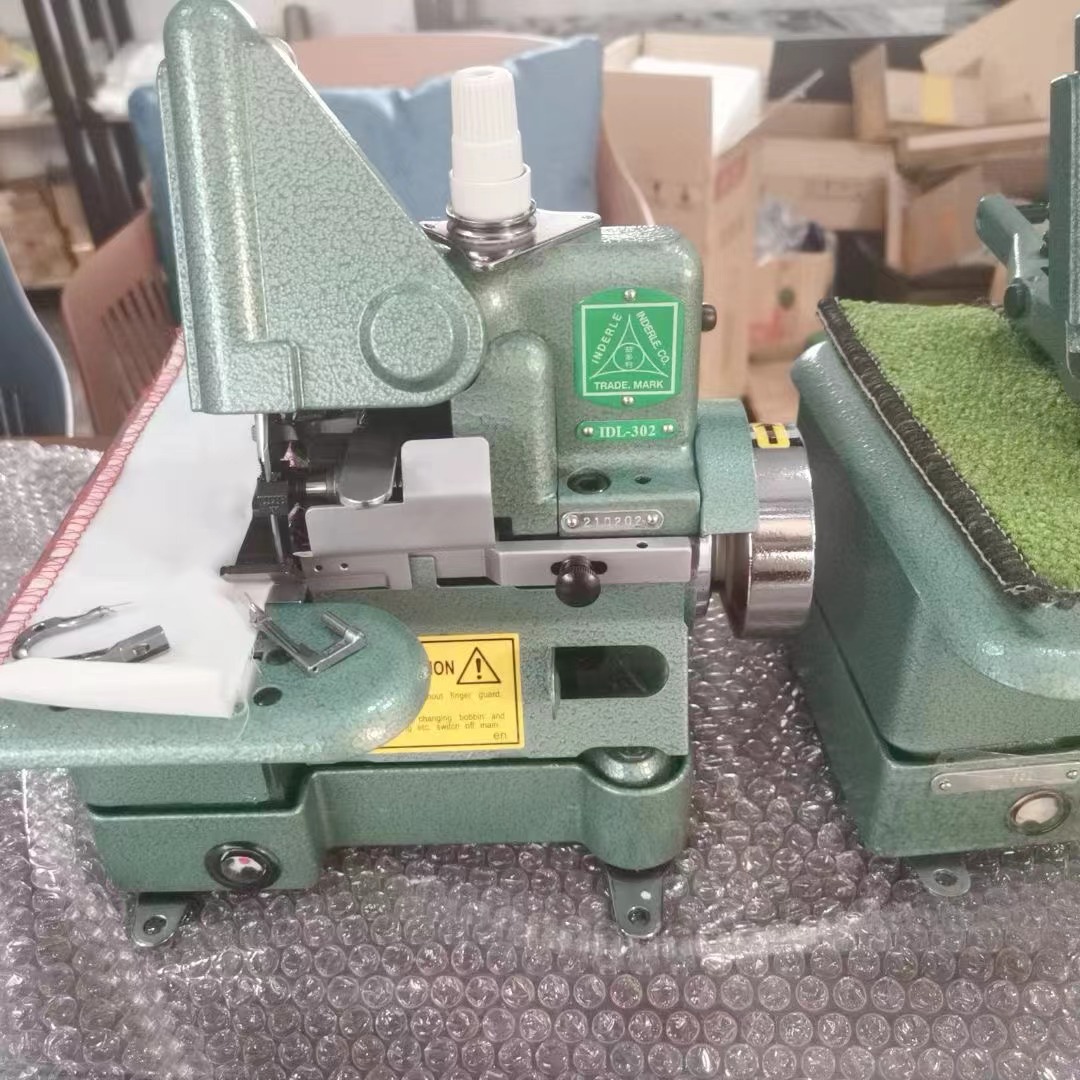
IDL-302 1 Thread Flat Butted Seam Sewing Machine if is used in Fabric Joining ,Beautiful stitches, not easy to break, not easy to skip stitches, long service life.
-
How to Use a R...
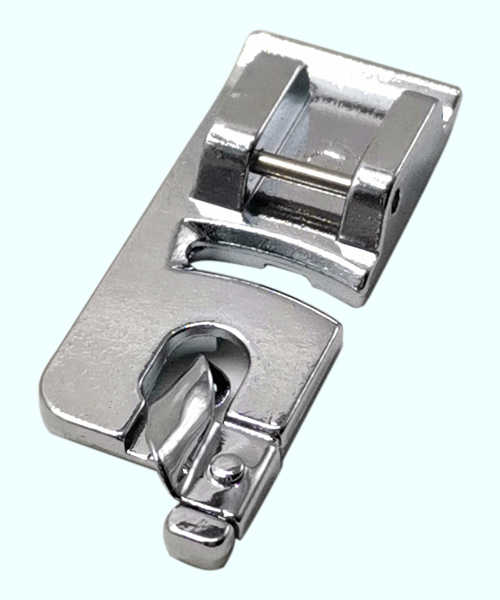
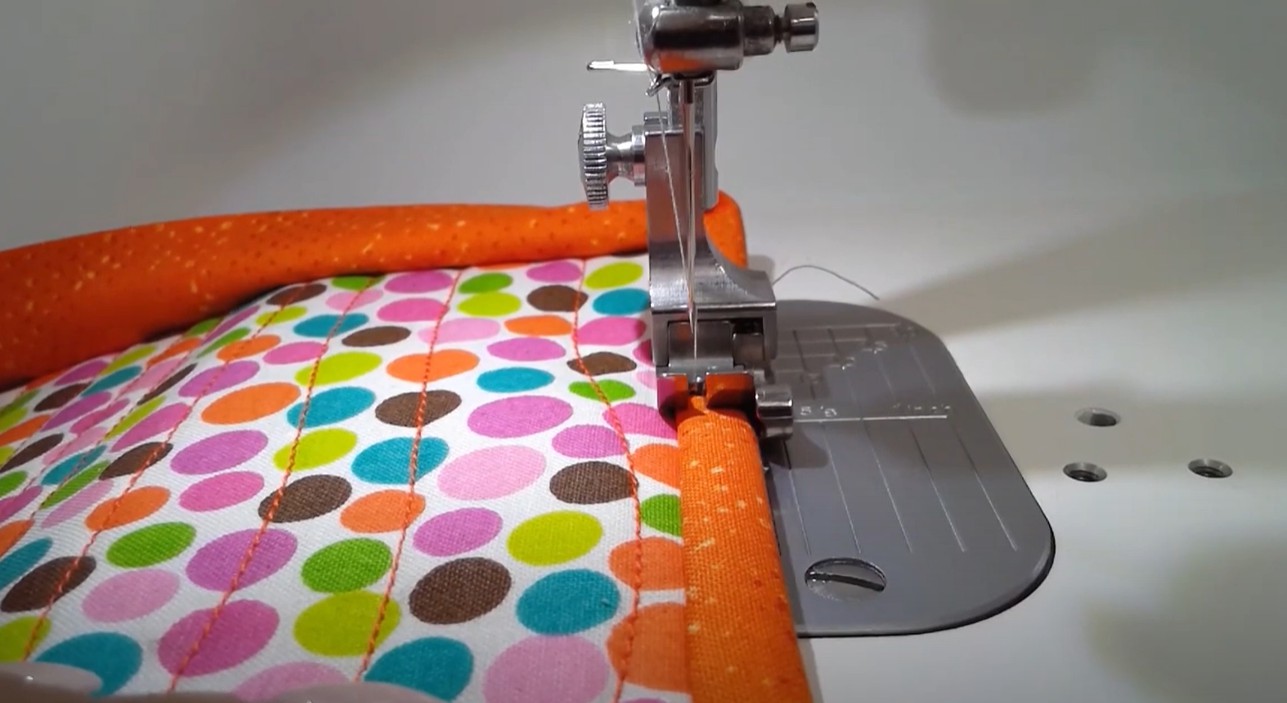
First, it provides an introduction on the benefits of using a rolled hem presser foot. Then it goes through steps such as preparing the sewing machine by turning it off and removing the old foot, installing the new foot, adjusting settings like stitch length and thread tension. Next, it discusses preparing the fabric by cutting and pressing. After that, it details the process of sewing the rolled hem including positioning the fabric and guiding it. Finally, it mentions finishing the hem with bac
-
What is the co...
First, the function of the JUKI compensation presser foot is introduced, including maintaining stitch stability and adapting to sutures of different thicknesses. Then the types are classified and explained in terms of offset direction and applicable machine models. Finally, the use of the compensation foot is explained in detail. Includes precautions during installation, adjustment and sewing as well as key points for inspection and adjustment. This generation of ideas is to comprehensively intr
-
How To Wind A ...
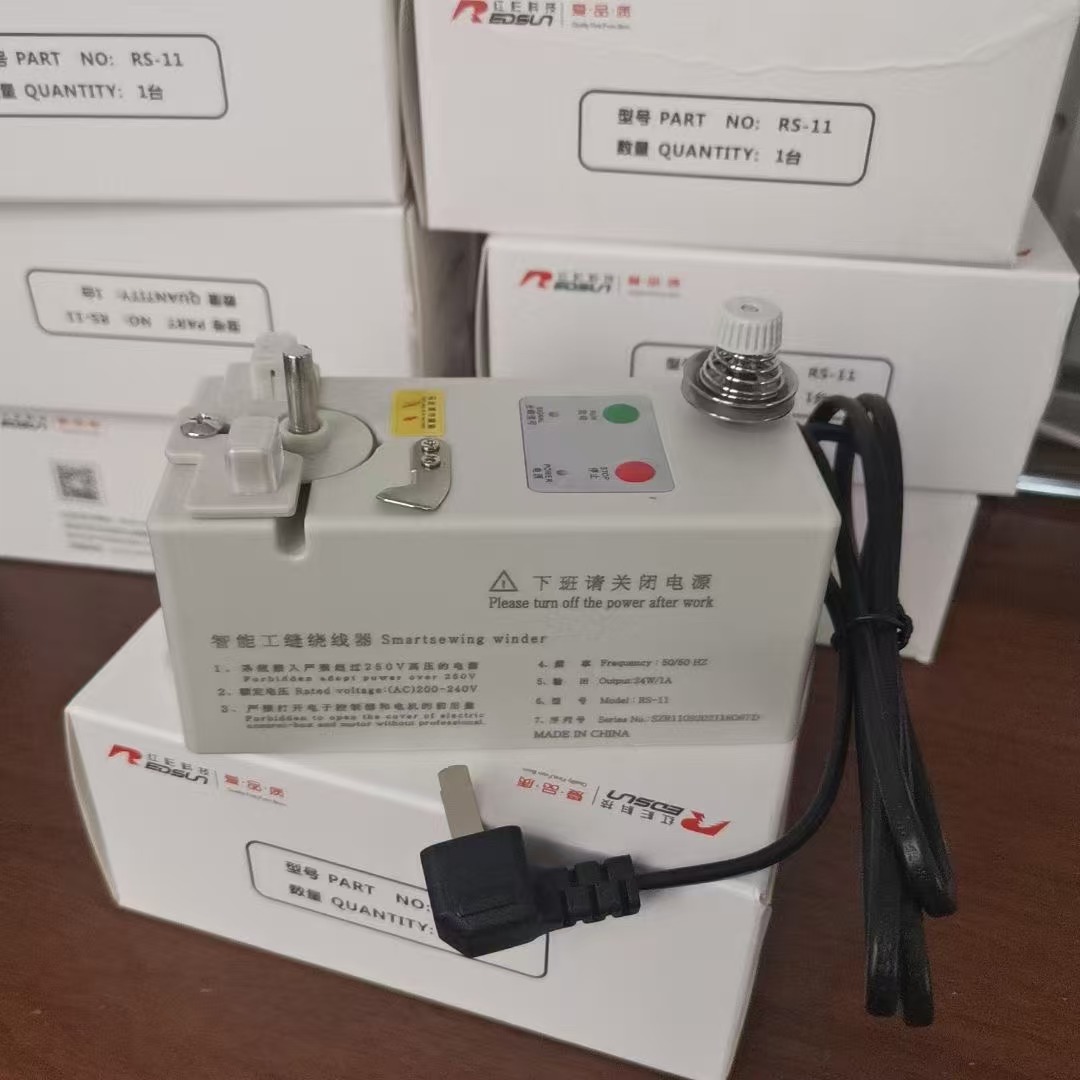
The content was generated by first introducing the overall topic of winding a bobbin using an automatic bobbin winder. Then it was broken down into steps, starting from preparing the thread and bobbin, locating the winder, inserting the bobbin, threading it, selecting the winding mode, starting and stopping the winding process, and finally removing the bobbin. Each step was described in detail to provide clear instructions.
Leave your Message:
Top
JISHUN SEWING PARS GROUP ALL RIGHTS RESERVED.
